As autumn arrives in Boerne, Texas, many pet owners notice their dogs or cats beginning to scratch, lick, or sneeze more than usual. While the changing leaves and cooler weather offer relief from the summer heat, October also marks a peak time for seasonal allergies in pets. At Boerne Veterinary Clinic, located at 921 N Main St, Boerne, TX 78006, we understand how distressing it can be to see your companion uncomfortable or restless due to itchy skin and other allergy symptoms. This blog will explore the most common fall allergens in our area, how to recognize allergy signs in your pet, practical steps you can take at home, and when it’s time to seek expert help from your local veterinary team. If you are concerned about your pet’s skin issues or allergy symptoms, our experienced veterinarians are here to help guide you through diagnosis and treatment, ensuring your pet’s comfort and health as the seasons change.
Spotting Seasonal Allergies: What Pet Owners Need to Know
Recognizing allergies in pets can be tricky, especially since symptoms often overlap with other conditions. However, autumn in Boerne brings a unique set of triggers that can affect your dog or cat. Key symptoms of seasonal allergies include persistent scratching, licking of the paws, rubbing the face against furniture or carpet, and the appearance of red, irritated skin. You might also notice sneezing, watery eyes, or an increase in ear infections during this time of year. In some cases, pets develop hot spots or lose patches of fur due to excessive irritation. If your pet is shaking their head more than usual or you notice an unpleasant odor coming from their ears or skin, allergies could be the underlying cause. While occasional scratching is normal, an increase in frequency or intensity during October can signal that your pet is reacting to something in the environment.
What Causes Fall Allergies in Boerne’s Pets?
The autumn months in the Texas Hill Country come with a spike in certain allergens that can trigger reactions in sensitive pets. Common culprits include pollen from ragweed, cedar, and other late-blooming plants. As leaves fall and yards are cleaned up, mold spores can be released into the air, causing additional irritation for allergy-prone pets. Grass and weed pollens tend to linger into October, and the increased humidity during the fall can lead to more dust mites indoors. Pets who spend time outdoors may also pick up allergens on their fur and paws, bringing them inside and exposing themselves to irritants even after playtime is over. For some pets, allergies are not limited to one season; they may have year-round sensitivities that worsen during periods of high pollen or mold. Genetics can play a role as well, with certain breeds—such as Golden Retrievers, Bulldogs, and Siamese cats—being more prone to allergic reactions. Understanding your pet’s unique risk factors can help you anticipate flare-ups and take preventive measures as the seasons change.
Managing and Treating Seasonal Allergies in Your Pet
When allergies strike, prompt and effective management can make a world of difference for your pet’s comfort. The treatment approach begins with a thorough evaluation by your veterinarian to rule out other causes of itchiness and to determine the best plan for relief. Options for managing seasonal allergies often include medicated shampoos or wipes to remove allergens from your pet’s skin and coat. Antihistamines or prescription medications may be recommended to control itching and inflammation. For pets with more severe or persistent symptoms, advanced therapies such as immunotherapy (allergy shots) or special diets may be advised. Our veterinary team at Boerne Veterinary Clinic can perform diagnostic tests to differentiate between allergies and other skin conditions, ensuring your pet receives targeted care.
If your dog or cat is struggling with chronic skin issues, you may benefit from our veterinary dermatology services, which are specifically designed to diagnose and manage pet skin conditions, including allergy-related discomfort. In some cases, pinpointing the exact allergen can help guide long-term management, and our allergy testing services are available to help identify the specific triggers affecting your pet. By working closely with your veterinarian, you can develop a customized plan that addresses your pet’s unique needs and lifestyle.
What to Expect During a Veterinary Visit
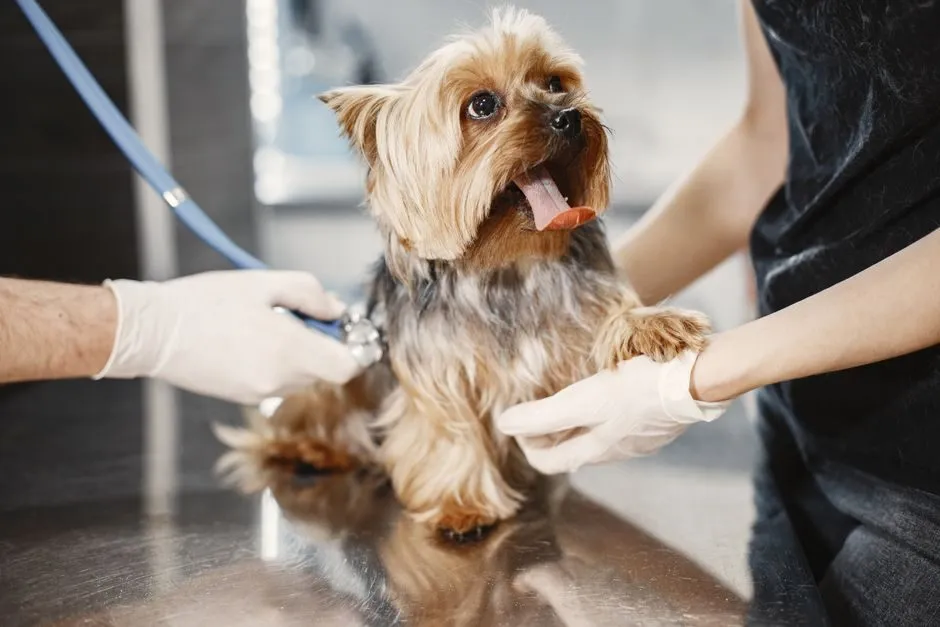
During your pet’s appointment, our team will take a detailed history, perform a comprehensive skin and ear exam, and may recommend diagnostic tests such as skin scrapings, cytology, or bloodwork. Depending on your pet’s symptoms, we might discuss allergy testing or refer to our dermatology services for more complex cases. Treatment recommendations are tailored to your pet’s individual situation and may be adjusted over time as we monitor their response to therapy. Our goal is to provide lasting relief and prevent future flare-ups so your pet can enjoy a comfortable, itch-free autumn.
Home Care and Prevention for Allergy-Prone Pets
While professional treatment is essential for moderate or severe allergies, there are several steps you can take at home to minimize your pet’s discomfort during allergy season. Regular bathing with gentle, hypoallergenic shampoos can help wash away pollen and other irritants, providing immediate relief for itchy skin. Wiping your pet’s paws and coat after outdoor walks can reduce the amount of allergen brought into the home. Washing bedding and vacuuming frequently also helps limit dust mites and mold spores in your pet’s environment. Keeping windows closed on high-pollen days and using air purifiers may further reduce airborne irritants indoors. For pets with food sensitivities, maintaining a consistent, veterinarian-recommended diet can prevent added stress on their immune system. It is important to avoid over-the-counter medications without consulting your veterinarian, as some human products can be harmful to pets. By staying proactive and attentive to changes in your pet’s condition, you can help keep allergies under control and ensure your companion stays happy and healthy throughout the season.
When to Seek Veterinary Care for Your Pet’s Allergies
Allergies can sometimes progress quickly or lead to secondary infections that require immediate veterinary attention. You should schedule an appointment with our veterinary team if your pet’s itching is constant, if you notice raw or bleeding areas on their skin, or if symptoms like ear shaking, redness, or odor persist. Sudden changes in behavior, lethargy, or lack of appetite can indicate that the allergies are taking a toll on your pet’s overall health. Additionally, if over-the-counter remedies or home care do not provide relief within a few days, it is time to consult your veterinarian to prevent further complications. Our team at Boerne Veterinary Clinic is equipped to provide thorough evaluations, targeted treatments, and ongoing support for pets suffering from allergies. Early intervention helps prevent chronic discomfort and reduces the risk of more serious health issues down the line.
Supporting Your Pet Through Allergy Season: Local Care You Can Trust
Seasonal allergies can be a frustrating challenge for both pets and their owners, but with the right knowledge and support, you can make October a more comfortable month for your companion. At Boerne Veterinary Clinic, our team of veterinarians is dedicated to providing personalized care for every pet, from the first signs of itchiness to advanced allergy testing and dermatology services. If you are searching for a trusted vet near me or need expert advice on managing your pet’s allergies, we are here to help. We encourage you to schedule an appointment at our convenient Boerne location by calling (830) 249-2141. You can also learn more about our veterinary dermatology services and allergy testing options to see how we can support your pet’s unique needs. Our compassionate veterinary professionals are committed to helping pets in Boerne and surrounding communities enjoy a healthier, happier autumn. If you have any concerns about your dog or cat’s skin or allergy symptoms, do not wait—reach out to us today for expert guidance and care.
This blog is intended for educational purposes only and does not replace professional veterinary advice. Always consult with your veterinarian for individualized recommendations and treatment options for your pet.